Risk Management · 2025
In this section3 topics
Risk Management Policy & Plan
Policy & Plan Description
The Board of Directors of Supalai Public Company Limited has been committed and has attached importance to risk management by adopting the risk management process covering strategic, operational, financial, legal and regulatory, corruption, marketing, cyber, materiality issues regarding sustainability of the company through environmental, climate change, social, and corporate governance (ESG) aspects and emerging risks that have an impact on the company are managed in accordance with the COSO Enterprise Risk Management (2017) framework, in order to ensure that risk management is conducted in a systematic and effective manner, while reducing the likelihood of damage which might affect the achievement of the Company’s objectives to an acceptable level and be consistent with the strategic plan of the Company, which covers;
causes of risks affecting the Company in financial and nonfinancial aspects, and provide a review of the risks every time there is a change of various factors affecting the capital fund of the Company.
categories of risks and determine the risk appetite to be used as a basis for responding to the risks of the Company.
assessment of risks by adding measures for risk assessment to achieve greater accuracy in terms of both quantitative and/or qualitative aspects.
management of risks and monitoring each category of risk according to the priority by arranging for monitoring of risks at least on a quarterly basis.
The above-mentioned policy covers the operations of its subsidiaries, associated companies and other companies under the Company’s control. The 8th amendment was made in accordance with the resolution of the Board of Directors’ Meeting No. 12/2025 held on 9 December 2025. The guidelines are as follows:
Establishing the risk management process with the same standard throughout the Company.
Implementing integrated risk management throughout the Company with a systematic and continuous management and operation in accordance with the Company's indicators and strategic plans.
Encouraging employees at all levels to proactively manage risks and also providing a risk management plan related to material sustainability issues of the Company, including environmental issues, climate change, social responsibility, and corporate governance (ESG). Additionally, the plan covers emerging risks so that the Company can operate its business continuously (Business Continuity Plan) and sustainably.
Executives and supervisors at all levels are responsible for supporting activities related to risk assessment, risk analysis, and ESG risk management in accordance with the criteria set by the Stock Exchange of Thailand and external regulatory bodies, ensuring tangible implementation.
Promoting and developing employees and executives at all levels to have knowledge, understanding, participation, and awareness of the importance of risk management and fostering the risk management culture throughout the Company.
Providing an internal control system that covers all major risks in various aspects as follows:
Strategy Risk
Operation Risk
Financial Risk
Compliance Risk
Corruption Risk
Market Risk
Cyber Risk
Risks related to the Company's key sustainability issues, covering Environmental, Climate Change, Social, and Corporate Governance (ESG) Risk
Emerging Risk
This is done to ensure that the Company has an appropriate and efficient internal control system.
Encouraging all employees at all levels to participate in risk management and be responsible for identifying risks that affect the Company's action plan, directions, and strategies, and assessing risks by considering the likelihood and potential impact of risks and proposing methods or seeking approaches to manage risks and complying with the plan to maintain the risk appetite. The risk management plan and the risk appetite for the risk in medium, high, or very high level shall be reported to the Risk Management Committee.
When employees encounter or acknowledge risks that may affect the Company, such risks must be reported to the Company's Management and the Risk Management Committee to seek the appropriate approach for risk management under such circumstances or they can report such risks via riskmgt@supalai.com.
Monitoring, evaluating and preparing a risk management report, presenting it to the Risk Management Committee, and reporting it to the Board of Directors for approval or suggestion. Additionally, reviewing, improving and reporting incidents of potential emerging risks to mitigate impacts on the achievement of the Company's objectives.
Establishing a Business Continuity Plan (BCP) and a Disaster Recovery Plan (DRP) to fully prepare for crisis in a timely manner and prevent disruption to the Company's business operations.
The Company has communicated the risk management policy to executives and employees through e-mail, Intranet and the Company’s website to raise awareness and mutual understanding on risk management.
Corporate Risk Management Plan
Supalai Public Company Limited conducts an annual review and assessment of significant business risks through meetings of the Risk Management Committee, which comprises experienced and expert executives. Risk Map and Risk Radar Chart tools are used to consider the relationships between risks and prioritize urgent matters to enhance resource allocation efficiency. Measures and risk management plans are established to align with organizational goals and strategic plans, presented to the Board of Directors, and assigned to each department to manage risks to an acceptable level, in order to support to ensure the organization's strategic plan succeeds.
Culture of Risk Management
Supalai Public Company Limited is committed to continuously fostering a risk management culture among employees at all levels throughout the organization by instilling attitudes that promote awareness of the importance of the Company's risk management process, enabling them to effectively and consistently apply risk management processes in their work. This begins with organizational leaders, the Board of Directors, and executives at all levels leading the enhancement of risk management processes to serve as role models for employees, fostering shared responsibility and applying knowledge to manage work-related risks.
Building a risk management culture focuses on ensuring that the Company's employees have the knowledge, understanding, and ability to naturally manage related risks. by relying on executives at all levels to drive change and implement good frameworks that enable rapid identification and management of risks, by aims to respond to the Company's goals, vision, and mission.
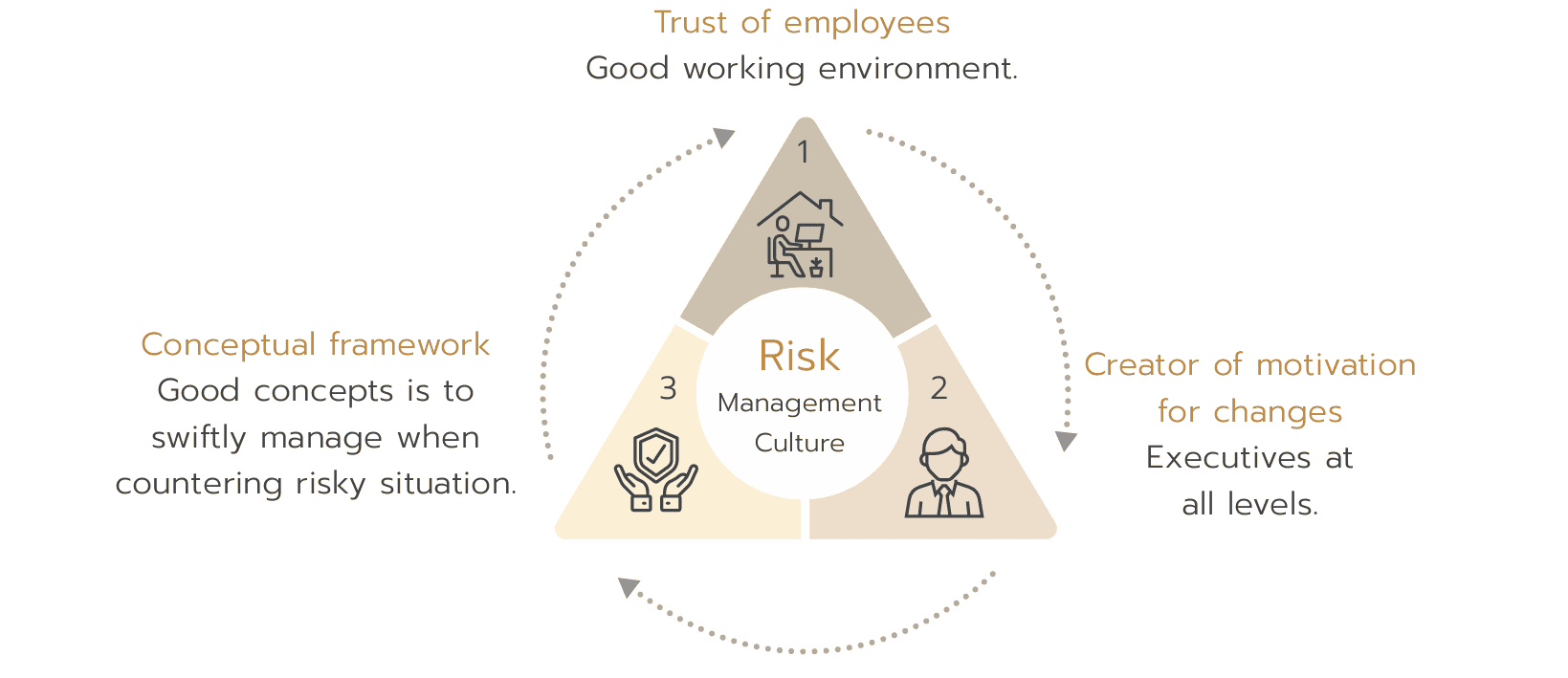
as a tool to create a good working environment alongside timely management of risks that may affect the Company, which will contribute to business sustainability. in the long term. The Company therefore focuses on promoting an organization-wide risk management culture to ensure stable and sustainable growth.
The Company has established a risk management culture through its risk management policies and guidelines, risk management structure and governance, and continuous monitoring of risk management progress at all levels. The Company has develop risk management culture guidelines and apply them to employees at all levels throughout the organization, while communicating the objectives and benefits derived from the organization's risk management. to allow senior executives, and inform all employees.
The aforementioned approach consists of 6 key components:
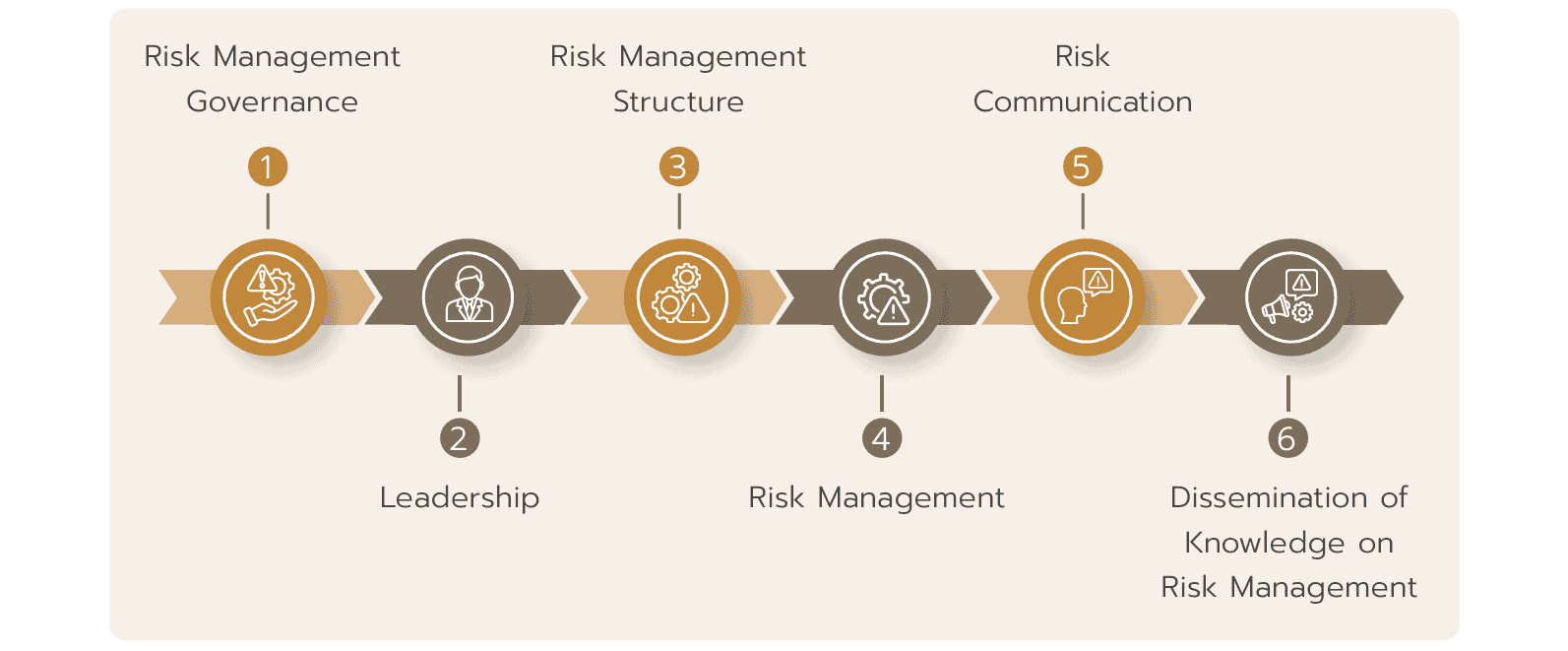
1. Risk Management Governance starting with the establishment of a risk management policy to cover new risks that may arise in both the present and the future. The Risk Management Committee holds meetings at least 2 times per year, and the management results are monitored planned risks monthly. The risk management unit is responsible for monitoring and reporting the performance of each department that responsible for risks to the Risk Management Committee, for evaluating and reviewing management plans to ensure risk levels are acceptable rapidly and in response to situations.
2. Leadership executives and the board of directors prioritize risk management by setting policies and guidelines during meetings at all levels. The Chairman of the Board mandates that all meetings adhere to the following practices:
with risk consideration as one of the agenda items to be discussed every time.
The meeting chairman will raise risk issues for discussion at every meeting to create awareness and consistently prioritize risk management.
Risk management guidelines are closely monitored and must be implemented concretely, with follow-up items as mandatory agenda points. report on the implementation of resolutions (Follow up) for risk management.
The meeting chairman must report the results of risk management operations to the next level of meetings.
3. Risk Management Structure standardize the Company's risk management process by implement comply with international practices. according to the framework COSO Enterprise Risk Management (2017) and ISO 9001:2015 standards, as well as The risk management process is implemented in the operations of all departments throughout the organization.
4. Risk Management The Company applies risk management techniques in accordance with academic risk management frameworks and integrates psychological techniques to enhance risk management efficiency, with key guidelines as follows:
Utilize the COSO ERM 2017 risk management framework and ISO 9001:2015 standard as tools for risk identification, risk assessment, risk management, and performance monitoring and reporting. Additionally, Key Risk Indicators (KRI) are used as risk warning signals to prepare and establish proactive preventive measures if there is a tendency for likelihood or the expected impact.
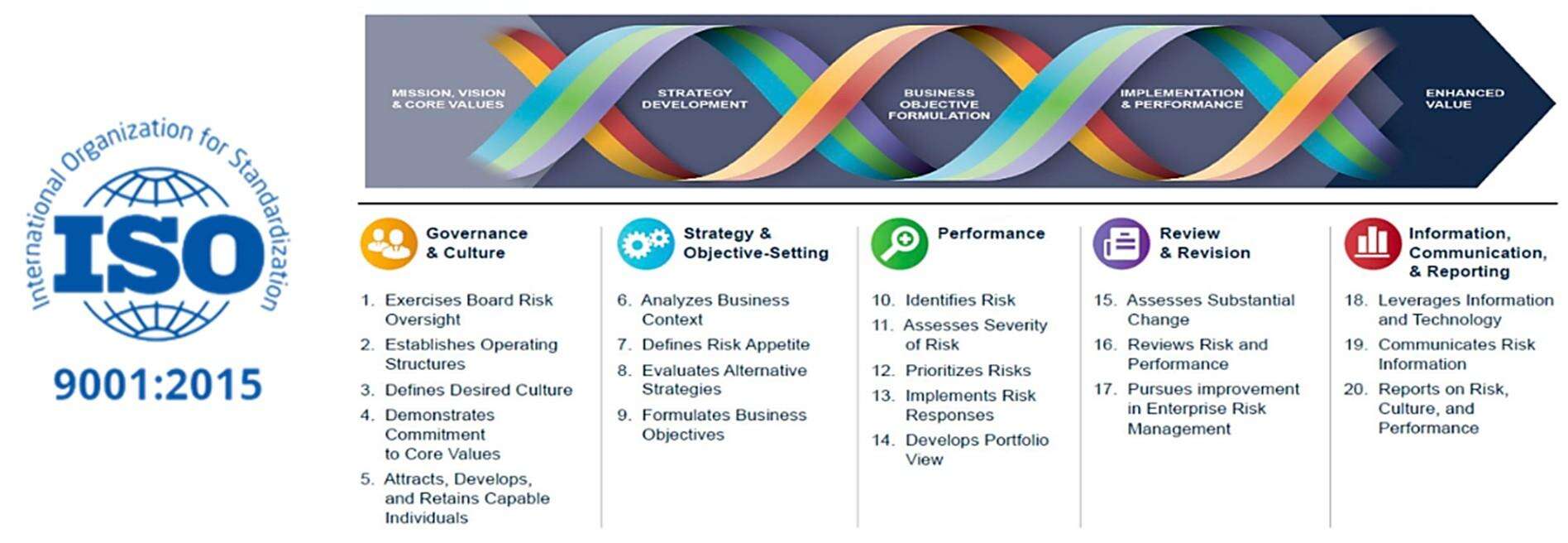
Source: http://www.coso.org
Quality management systems are monitored by employees appointed as Internal Quality Auditors (IQA) at the process level. The scope of audit covers ESG (Environment, Social, Governance) risks, including safety, that may directly and indirectly affect stakeholders, to identify and define appropriate risk management approaches.
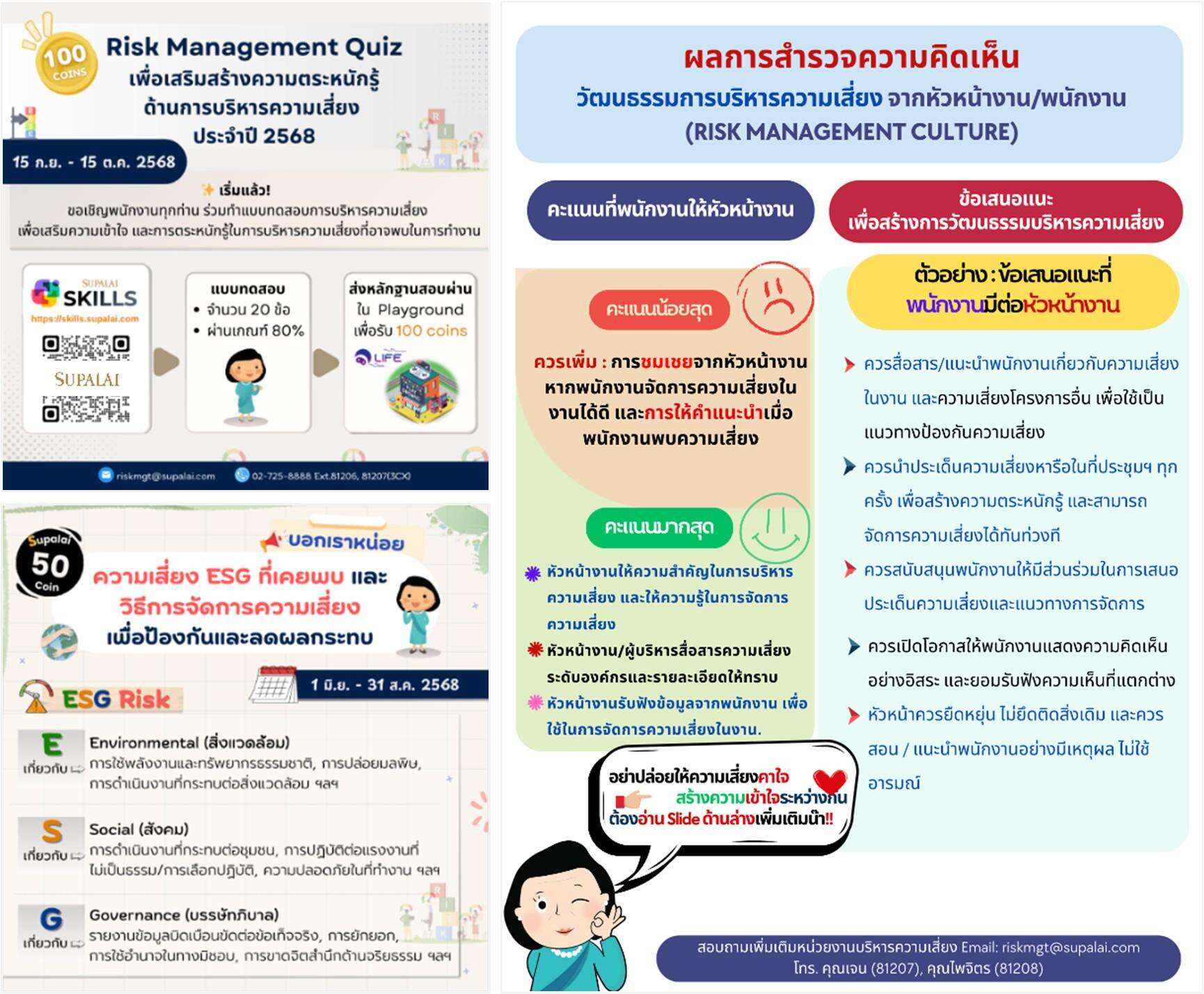
Campaigning for supervisors to build a risk management culture by having supervisors self-declare and measure the effectiveness of supervisors in building a risk management culture through evaluations from subordinates. The Company will use these evaluation results to further improve and develop its risk management culture-building guidelines.
5. Risk Communication communication is conducted knowledge and case studies from both internal and external factors continuously, to support employees in monitoring and preparing for potential risks. Risk issues are appropriately discussed at all levels of meetings. The Company emphasizes creating an environment conducive to open communication, such as providing opportunities for employees at all levels can express opinions creatively and propose risk-related views equally. to promote an organization-wide risk management culture.
6. Dissemination of Knowledge on Risk Management The Company promotes to ensure employees at all levels continuously acquire knowledge and understanding of risk management through various knowledge resources and channels, such as risk management manuals, training for all new employees, online courses (E-Learning) which are mandatory for all employees, risk-related knowledge dissemination via email and the Supalai Connect system. Furthermore, in 2025, all employees passed the basic risk management knowledge test, accounting for 63% of all employees, to enhance awareness and understanding of risk management for executives and employees at all levels throughout the organization. The Company also supports continuous learning and development, which is a crucial foundation for an organization-wide risk management culture, such as organizing training and disseminating knowledge on risk management topics like Digital Strategy Risk Management and AI to align with business growth strategies for employees at all levels, from Board members, senior executives, and employees.
The Company mandates risk management training as a compulsory course for all new employees. In 2025, 100% of all new employees completed risk management training.
Agile Team and Development of Risk Management Processes
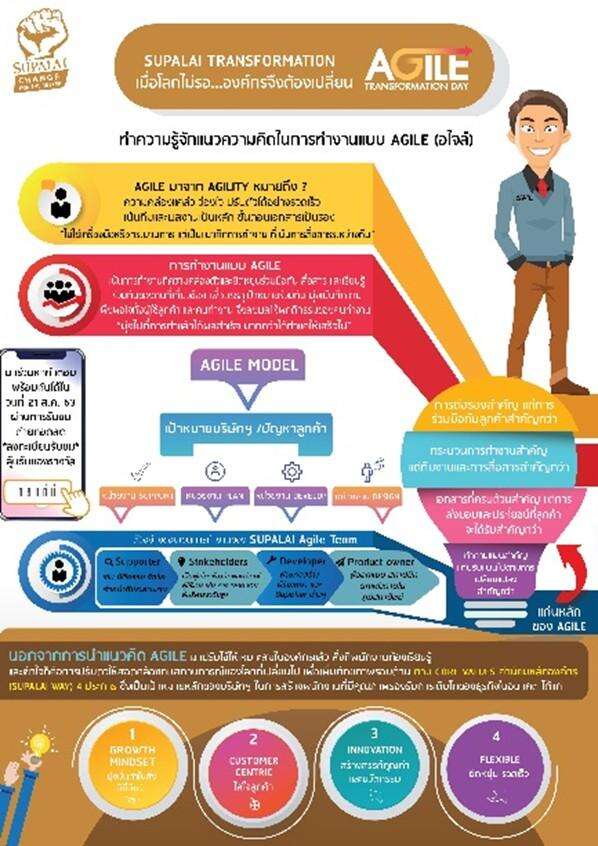
The Company has adopted the working concept of Agile into the organization in order to promote the development of risk management processes in the form of that is flexible, agile, and aligned with the rapidly changing business context, with key guidelines as follows:
360-degree Risk Management from the working model of Agile that emphasizes communication and collaboration between various departments. that is rapid resulting in the sharing of risk perspectives from personnel with diverse expertise, which helps make risk management more comprehensive and holistic.
Risk Management throughout the Work Process gradual delivery of work and providing feedback rapidly and continuously throughout the work process, facilitating regular review and improvement of risk management to align with rapidly changing environments, including technology, regulations, and consumer behavior.
Risk Management In-Process development and improvement of work based on stakeholder feedback rapidly and continuously, which helps risk management occur. automatically throughout the work process. alongside actual operations naturally. reduce complex techniques or tools, and encourage employees to gain risk management perspectives from direct work experience.
Support from senior management Executive directors support employees at all levels can express opinions openly about operations and risks. by providing opportunities for employees can communicate or report information directly to the executive directors to strengthen the risk management culture and transparent communication throughout the organization.
Policy Document Link
https://sustainability.supalai.com/th/governance-and-economic/risk-management
Risk Factors — Overview
Risk Factors — Introduction
In 2028 The Company has experienced continuous growth, expanding its real estate development projects nationwide to over 30 provinces, thus having the opportunity that business operations must confront threats and conditions of uncertainty or diverse risk factors according to the geographical conditions of each area both (1) economic, political, social, cultural, environmental, and legal aspects, and (2) various hazards such as natural disasters, fires, floods, and hazards or other unpredictable risk factors, such as political unrest or threats from information technology and online social networks, which could escalate into a crisis affecting the continuity and sustainability of business operations. of the Company
The Company analyzes its annual business strategic plan in conjunction with its risk management plan (in accordance with COSO ERM 2017 standards) to support future industry growth. It also implements a Business Continuity Plan (BCP) and a Disaster Recovery Plan (DRP) to address potential threats and prevent business operations from disruption, such as disruption of information technology systems, accident response at projects/headquarters, fires, floods, severe storms earthquakes etc. The Company has established a working group with experience and expertise in each area to ensure promptness in respond and appropriately manage threats or risk factors that vary according to geographical conditions, to ensure that being affected by the Company's operations as minimally as possible
Furthermore, the Company has established a working group and a crisis response plan for potential crises arising from the spread of information on online social networks, which could impact the Company's reputation and image. A phased communication plan has been set to respond to crises quickly and effectively.
The Company integrates an organizational risk management culture, which incorporates risk management and crises into the normal operations of all departments and employees at all levels. Additionally, a risk management unit team provides consultation risk management across all departments to foster participation and ensure that important plans and processes have risk management in place, enabling them to be practically implemented and successful, comprising 3 main steps:
Risk Management pre-crisis, crisis management, and post-crisis recovery, focusing on assessment, analysis
and manage various risk factors to control and limit the likelihood and negative impacts as much as possible before a crisis occurs.
Risks to the Company's Business Operations
Risk Register
| Risk Name | Risk Characteristics | Consequences | Management Measures | Related Risk Factors |
|---|---|---|---|---|
| Changes that may affect the company's business operations in the next 3-5 years (Emerging Risks) | 1. Structural demographic changes (aging society) and changes in public income structure, which may affect Changes in consumer behavior and demand Thailand is facing Structural problems related to demographic changes or entering an aging society which resulting in changes in consumer behavior that may significantly impact businesses by Consumers are increasingly prioritizing well-being and health care, both for caring for elderly family members and for preparing themselves for life after retirement. becoming one of the factors consumers consider when choosing to purchase housing today. 2. Risks related to the environment, climate change, and natural disasters that may impact projects Climate risk is a significant international risk and a major risk for countries that are both the business sector and the public are paying more attention as the impacts of climate change become clearer and more severe, such as increased flooding due to heavier rainfall, rising sea levels from melting polar ice, heatwaves, and heat radiation. This climate risk issue has led various countries to prioritize climate management with the goal of controlling global warming, which is the root cause of climate problems. 3. Supply chain disruptions can significantly impact businesses.
|
Currently, Thailand is undergoing significant demographic structural changes, particularly the continuous decline in the birth rate, which directly impacts the overall real estate business in the long term. The Company has identified challenges arising from various structural factors as follows:
2. Environmental risks: Climate change and natural disasters that may affect building structures. The real estate business is one of the industries affected by climate change, with increasing frequency and severity, which may impact construction projects, such as:
3. Supply chain disruptions may significantly impact the business. These factors may adversely affect the Company’s operations through disruptions in the supply of construction materials, thereby impacting competitiveness and causing delays in construction and project delivery, which may result in the loss of target customer segments. Given the Company’s nationwide presence across more than 30 provinces, it places strong emphasis on systematic supply chain management to enhance business continuity and sustain long-term competitiveness. | 1. Demographic structural changes (aging society) and changes in public income structure, which may affect consumer behavior and demand. The Company has recognized and prioritized these changes, thus expanding its real estate development projects nationwide. Currently, projects have expanded to over 30 provinces, with home designs that support the lifestyles of residents across all genders and age groups (Universal Design), including detached houses, semi-detached houses, townhomes, and condominiums. These designs accommodate various uses and lifestyles of different resident groups, such as Pet-Friendly homes for animal lovers, as well as private spaces designed for the modern lifestyle, and for LGBTQ+ couples who can jointly apply for home loans. Additionally, homes are designed to support an aging society, such as the Supawattanalai project, which chose to use materials and interior home design that support usage for the elderly.
Furthermore, the Company has designed and constructed projects that prioritize the quality of life for both residents and neighboring communities, offering quality products at affordable prices. This includes continuously developing communication channels and services through various platforms, such as online home or condominium bookings, and developing the Supalai Sabai application to create new living experiences for residents and meet the demands of modern lifestyles that increasingly utilize technology for convenience. Additionally, the Company emphasizes customer needs and continuously develops products to ensure that its products can respond to changing consumer behavior in both the short and long term. Market research and technology studies are conducted to adapt to design and construction work, resulting in the Company's products aligning with customer needs and offering value for money. 2. Environmental risks, climate change, and natural disasters that may affect building structures. The Company has therefore established measures and targets to mitigate climate impact, while also managing business risks and opportunities.
By managing risks from climate change, which is increasing in frequency and severity, and may affect construction projects in various aspects as follows:
3. Supply chain disruptions may significantly impact the business. The Company manages risks to mitigate the impact of supply chain disruptions, alongside opportunities, such as:
| 733 · Description: Business operations of partners in the supply chain · Info category: STRATEGIC_RISK · 752 · Description: Impact from population structure · Info category: OPERATIONAL_RISK · 1719 · Description: Climate change and disasters · Info category: STRATEGIC_RISK |
| Procurement Risk Management | Procurement risks arise from reliance on a limited number of suppliers for certain critical goods or materials, as well as the concentration of sourcing in specific areas, which leads to a lack of diversity in the supply chain and vulnerability to disruptions from external factors. | This may result in delays in the delivery of goods and services. Furthermore, procurement from partners located far from the project area may lead to increased transportation and travel costs, thereby impacting operational efficiency and the company's overall costs. | The Company has managed procurement risks by continuously seeking new partners and compiling data on the distribution of usage load across all goods/items to ascertain a sufficient number of partners for each period. The Company has sought partners in provinces where projects are located, leading to a significant increase in local contractors. This results in the rapid delivery of goods and services to customers and can reduce costs in traveling from Bangkok to the provinces. The Procurement Department has continuously sought and developed partners, resulting in having partners in provincial areas covering 30 provinces. where Supalai projects are located, thus eliminating the company's risk in procuring goods and enabling timely delivery to meet demand. Furthermore, the Procurement Department and the Engineering Department have compiled data on product prices, which are adjusted, and contractor hiring prices every 3 months. Construction prices are set according to current market rates to ensure fairness for the Company's partners and contractors, and to facilitate the procurement process procurement, which is rapid. correct, and goods can be delivered in time for use. The Company has procedures in its procurement process, which involves negotiating construction material prices through advance bidding for goods. and utilizes the principle of bulk bidding to reduce the cost of purchasing goods through bidding. Advance notification of product usage plans is provided to partners for their planning. and prevent product shortages, enabling partners to plan production and deliver goods on time. | 730 · Description: Government policy · Info category: STRATEGIC_RISK |
| Changes in customer/consumer behavior or needs | Currently, businesses across various industries are increasingly adopting innovation in their operations, driving rapid advancements in smart devices used in everyday life. This has accelerated changes in consumer behavior across multiple aspects, including greater adoption of innovation in daily life, a shift toward working from home instead of in offices, and increased reliance on online communication in place of face-to-face interactions. In addition, various transactions both financial transactions and product purchases are increasingly conducted through applications rather than at banks or department stores. | The transition into an aging society supports changes in consumer behavior, as the elderly tend to prefer staying at home rather than traveling for external activities, thus influencing the demands and conditions for consumers' residential property choices in emphasizing the importance of internal living space, the utility of common areas, safety, and the environment natural surroundings suitable for living within the residence, within the project, and in the surrounding areas. The real estate development business is therefore one of the businesses affected by changes in customer/consumer behavior or needs. on the selection of residential properties, leading developers to continuously review marketing plans and product development to meet the evolving needs of customers/consumers. | The Company closely monitors changes in customer/consumer behavior through research surveys to utilize the data. in designing products to accommodate new lifestyles, such as
Furthermore, the Company also incorporates the concept of Home Automation, adapting it to new product designs to support future living innovations, with a focus on the functional benefits within customers' residences. Additionally, it facilitates customers in integrating various technologies for future use. Furthermore, the Company is also adjusting its online marketing strategies and brand image creation. | 729 · Description: Behavior or needs of customers / consumers · Info category: STRATEGIC_RISK |
| Business of partners or operators in the supply chain | Environmental sustainability has been elevated in importance at both global and national levels due to the impacts of climate change. The drivers of this shift include the anticipated enforcement of future regulations, enhanced regulatory oversight by government authorities, and increasing expectations from society and consumers. These factors are fostering greater collaboration among businesses across the supply chain to drive collective change. Similarly, in the real estate development sector, as well as related industries within the supply chain—such as construction materials, furniture, and construction contractors—while there is growing pressure to adapt to these emerging trends, fundamental changes will require time and are expected to occur gradually. | Risks arising from changes in the business operations of suppliers and contractors within the real estate development supply chain may occur at any time, driven by evolving domestic and international factors beyond the Company’s control. Such changes may disrupt the supply chain, which may not be able to adapt in line with the Company’s expectations, particularly as external expectations continue to rise. | The Company collaborates with its suppliers and contractors by providing training on construction techniques in accordance with the Company’s standards, as well as ESG-related knowledge to support the development of innovation and operational processes. These efforts are aligned with the expectations of stakeholders across all sectors, with the aim of continuously enhancing business practices in response to evolving economic, social, and environmental contexts. By leveraging the Company’s strengths in combination with those of its business partners, the Company seeks to create competitive advantages and achieve sustainable growth. | 733 · Description: Business operations of partners in the supply chain · Info category: STRATEGIC_RISK |
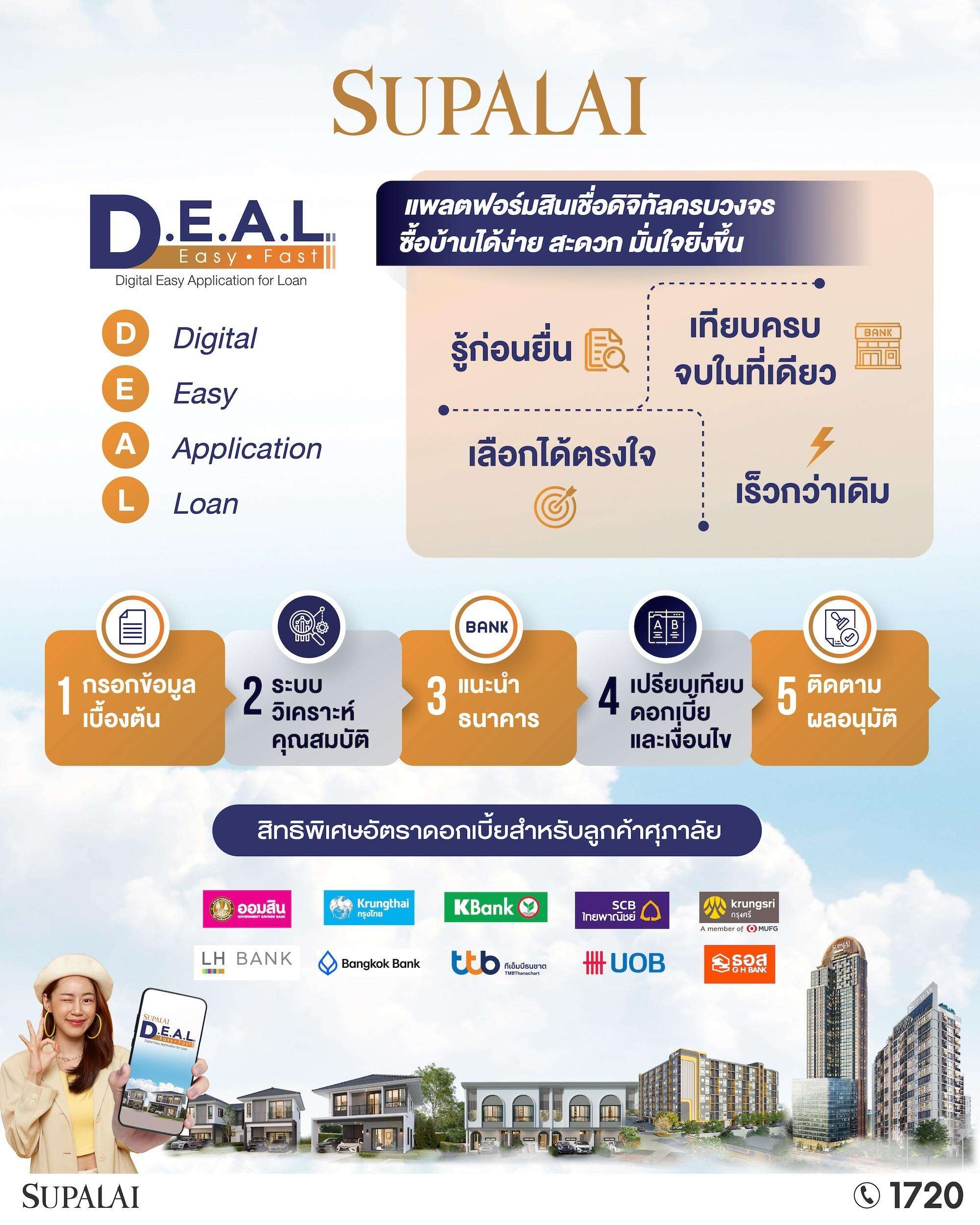
| Economic uncertainty | Currently, the economic situation is highly volatile, influenced by various factors such as slowing consumer purchasing power, trade wars, rapid tax rate increases, geopolitical tensions, and conflict situations in several regions, all of which impact the overall global economy. | The business is facing increasing challenges. In 2025, Thailand’s residential property market is expected to contract compared to the previous year, particularly in condominium transfers, which are projected to decline by approximately 11.8% year-on-year. In response to weakening demand and excess supply, the Bank of Thailand has introduced a relaxation of loan-to-value (LTV) limits, allowing up to 100% financing for residential properties from 1 May 2025 to 30 June 2026. | In response to weakening demand and excess supply in the market, the Bank of Thailand has introduced a relaxation of loan-to-value (LTV) limits, allowing up to 100% financing for residential properties from 1 May 2025 to 30 June 2026. However, the Company operates a real estate development business under a business-to-customer (B2C) model, directly serving a diverse customer base across more than 30 provinces nationwide, while also expanding into international markets. This enables the Company to maintain a diversified customer base. In addition, the Company offers an integrated digital lending platform, ‘D.E.A.L.’, featuring preferential interest rates in collaboration with 10 leading banks to enhance financial experience standards. This platform helps reduce customers’ interest burden and simplifies the loan application process. As a result, the Company is able to mitigate the impact of economic volatility and diversify risks arising from external factors.
| 1715 · Description: Economic risk · Info category: STRATEGIC_RISK |
| Data Security or Computer Systems and Cyber Attacks | Rapid advancements in data transmission technologies and wireless communication devices—such as computers, laptops, and smartphones—have led to an increasing reliance on digital technologies and online transactions. This has driven exponential growth in online transactions, which, while creating significant business opportunities, has also attracted a growing number of cyber threats. The substantial value of global online transactions has made them a key target for cybercriminals, resulting in a sharp increase in cybersecurity risks. | Although the Company has relatively limited critical online transactions with customers and other stakeholders, any data breach or cyberattack that compromises its systems or databases could result in harm to data owners and cause temporary disruptions to business operations. | The Company has adopted cloud computing technology to manage critical system databases, selecting service providers with globally recognized security standards and reliability. In addition, the Company has established processes and procedures to mitigate risks arising from potential cyberattacks, including those caused by human error and data leakage. Key measures include:
| 744 · Description: Information security and cyber-attack · Info category: OPERATIONAL_RISK |
| Safety, Occupational Health, and Working Environment | Issues concerning safety, occupational health, and the working environment are considered significant risks for the real estate development business. This is due to the operational nature that heavily relies on a large workforce and involves work in construction areas, which inherently carries risks of accidents and undesirable incidents. | If not properly managed, these risks may lead to operational disruptions, increased medical expenses and compensation costs, serious accidents, non-compliance with applicable laws and regulations, as well as disputes with communities or other stakeholders. Such impacts could adversely affect the Company’s business objectives, stakeholder confidence, and long-term corporate reputation. | The Company places strong emphasis on occupational health, safety, and working conditions for its employees. Appropriate personal protective equipment (PPE) is provided to employees working at construction sites, including safety helmets, safety footwear, and other protective items such as jackets, sun protection sleeves, and basic medical supplies. In addition, the Company has established an Occupational Health, Safety and Environment (OHSE) Committee responsible for setting safety plans, reporting, and recommending corrective and preventive measures in compliance with applicable laws and regulations. The Committee also promotes safety-related activities, monitors safety practices, reviews workplace incident statistics, and ensures continuous improvement in safety performance. A reporting system for unsafe working conditions is in place, requiring employees at all levels to report potential risks. The Company also conducts regular evaluations of workplace safety performance to ensure effectiveness and compliance. Furthermore, the Company provides suitable working environments across its head office, sales offices, and construction sites, taking into consideration temperature, lighting, and ventilation. Adequate drinking water, sanitation facilities, and work equipment are provided to support employees in performing their duties effectively. The Human Resources function also conducts proactive site visits to assess employees’ needs and continuously enhance welfare programs in line with current conditions. The Company also implements accident prevention measures and fosters a strong safety culture through training and simulation exercises. In addition, the Company promotes employees’ physical and mental well-being through annual health check-ups, communication on proper nutrition, and wellness activities such as therapeutic yoga and other health-related programs. | 749 · Description: Safety, occupational health, and working environment · Info category: OPERATIONAL_RISK · 1717 · Description: ESG risk · Info category: STRATEGIC_RISK |
| Environmental and Biodiversity Impacts | In recent times, pressure from the global community on environmental and biodiversity issues has continuously escalated. This stems from the evident and intensifying problems of climate change and biodiversity loss in many areas worldwide, leading to increased awareness and demands from both government and the public sector. This has, in turn, become a pressure on the business sector, which must prioritize the environmental and biodiversity impacts in all its activities, as well as increasingly emphasize environmental and biodiversity sustainability issues. The construction and real estate development businesses are among those with multi-dimensional risks from environmental and biodiversity impacts. This is due to their activities requiring large land areas and extensive supply chains, with the potential to affect natural ecosystems, alter wind patterns and sunlight, generate dust, and produce greenhouse gases. | Real estate development businesses have operational control measures, both legal and regulatory, from the government and independent agencies to establish appropriate guidelines, and there is still a high potential for disputes with neighboring communities, which may result in | The Company is committed to developing high-quality projects while minimizing impacts on the environment and biodiversity. Prior to project development, the Company conducts Environmental Impact Assessments (EIA) to evaluate potential impacts on surrounding communities, including public consultations to assess both positive and negative environmental impacts across all dimensions. In addition, Biodiversity Action Plans (BAP) are developed for areas with biodiversity-related risks, along with mitigation measures to minimize adverse impacts. These proactive approaches help reduce potential remediation costs after project implementation and ensure ongoing monitoring of environmental impacts throughout the project lifecycle. The environmental impact assessment process covers four key dimensions:
Furthermore, the Company participates in the ‘Care the Bear’ initiative, led by the Stock Exchange of Thailand, to raise employee awareness of environmental management and foster collaboration in reducing greenhouse gas emissions in a measurable manner. | 751 · Description: Impact on the environment · Info category: OPERATIONAL_RISK · 1717 · Description: ESG risk · Info category: STRATEGIC_RISK |
| Human Rights Impact | Human rights issues have gained increasing prominence and attention at both global and national levels, driven in part by the widespread influence of social media, which has intensified public discourse on such matters. For the real estate development sector—where operations involve a large workforce, multiple tiers of contractors, and activities within local communities—human rights risks may arise in areas such as employment conditions, fair treatment of workers, and impacts on surrounding communities. In the absence of appropriate oversight, such risks may lead to grievances and adversely affect the Company’s reputation. | Human rights issues are highly sensitive and have wide-ranging impacts across all sectors. There is increasing expectation for businesses to respect human rights, diversity, and freedom of expression, leading to the strengthening of relevant laws and regulations, as well as the implementation of sanctions or restrictions on cooperation with entities involved in human rights violations. If the Company or its business partners fail to implement appropriate management practices, this may result in both direct and indirect impacts, including legal and regulatory risks, investigations or complaints, loss of confidence among customers, investors, and other stakeholders, as well as adverse effects on the Company’s reputation, corporate image, and long-term business continuity. | Recognizing that all individuals are entitled to dignity and equal rights, the Company places strong emphasis on human rights and has established a Human Rights Policy, supported by internal processes to ensure effective implementation. The policy covers key principles including equality, non-discrimination, and the promotion of fundamental human rights, as well as providing whistleblowing channels for reporting potential violations. These principles are also communicated to business partners and embedded in practice. The Company requires its suppliers to formally commit to respecting human rights and agrees to the application of criteria relating to human rights, occupational health, safety, and the environment in supplier selection and evaluation processes. In addition, the Company engages with contractors’ employees to understand their needs and collaboratively develop improvement plans, supported by site visits, ongoing monitoring, and reporting to management. The Company has also integrated the United Nations Guiding Principles on Business and Human Rights (UNGPs) into its business operations across all processes, while promoting awareness of human rights among employees and business partners. Furthermore, the Company has established Human Rights Due Diligence (HRDD) and Human Rights Risk Assessment (HRRA) processes to identify, assess, and manage potential risks. These processes involve evaluating issues that may impact the human rights of key stakeholders, including employees, customers, and communities, based on the severity and likelihood of risks, in order to implement appropriate preventive and mitigation measures. | 1717 · Description: ESG risk · Info category: STRATEGIC_RISK · 753 · Description: Impact on human rights · Info category: OPERATIONAL_RISK |
| Shortage or fluctuation in the prices of raw materials or factors of production | Shortages or fluctuations in the prices of raw materials and production factors represent significant risks that are challenging to manage. These impact various industries, including the real estate development business. The primary causes can stem from both domestic and global factors, such as trade policies, global economic conditions, geopolitical tensions, and transportation limitations, which consequently impose restrictions on the use of certain types of materials. | Supply chain disruptions may result in higher production and service costs, and may cause interruptions or delays in production processes, service delivery, and product delivery to customers, or the delivery of substandard products due to shortages of raw materials or production factors, which could affect the organization's reputation and image. | As construction materials are key inputs in project development, the Company recognizes risks arising from price volatility and potential shortages. The Company therefore places strong emphasis on robust raw material and construction material risk management to mitigate such impacts. Key measures include:
In addition, the Company regularly assesses supply chain risk factors, which is critical to ensuring projects proceed according to construction plans and to fostering a risk management culture throughout the supply chain. | 740 · Description: Shortage or fluctuation in pricing of raw materials or productive resources · Info category: OPERATIONAL_RISK |
| Changes in regulations and laws related to business operations, and violations of relevant regulations and laws | The real estate development business is subject to a wide range of laws and regulations, which can be categorized into three main groups: (1) general laws applicable to all types of real estate development, such as urban planning laws, building control regulations, and environmental laws; (2) sector-specific laws applicable to particular types of real estate, such as land subdivision and condominium laws; and (3) supporting laws that facilitate, regulate, or promote real estate-related activities, such as energy conservation laws and investment promotion regulations. In addition to the breadth of applicable legislation, certain laws may vary by locality and are subject to ongoing revisions in response to evolving environmental conditions, economic circumstances, and national development policies, including economic and social development plans. | Changes in government policies and the enforcement of new laws and regulations represent key risks for the real estate development business. This is particularly relevant for the Company, given its diverse development portfolio—including low-rise housing projects, office buildings, hotels, and condominiums—as well as its continuous expansion into major provincial cities across regions. As a result, the Company is required to comply with a wide range of applicable laws and regulations, each with complex and evolving requirements. Failure to comply, or incomplete compliance, may result in various impacts, including restrictions on land use for certain types of developments, building height limitations, setback requirements, boundary disputes with adjacent landowners, and complaints during construction. In addition, risks may arise from land expropriation for public infrastructure projects or disruptions caused by changes in laws and regulatory requirements that come into effect while the Company is in the process of preparing permits for land already acquired. | To mitigate regulatory risks, the Company conducts comprehensive legal due diligence prior to commencing any real estate development project, including reviewing applicable laws, regulations, and requirements of relevant authorities. Dedicated functions have been established to monitor and ensure compliance with evolving legal requirements, while maintaining an up-to-date and comprehensive legal and regulatory database covering all aspects of the Company’s operations. In addition, condominium and housing projects that meet the applicable criteria are subject to Environmental Impact Assessments (EIA) for approval by the Office of Natural Resources and Environmental Policy and Planning under the Ministry of Natural Resources and Environment. The Company strictly complies with all conditions specified in the EIA reports and regularly reports on the implementation of mitigation measures in accordance with the Enhancement and Conservation of National Environmental Quality Act B.E. 2535 (1992). This approach helps minimize environmental impacts and supports the Company’s sustainable business operations. Following the enforcement of the Personal Data Protection Act B.E. 2562 (2019) on 1 June 2022, the Company has strengthened its data protection practices to ensure that personal data of customers and stakeholders is handled appropriately and in line with regulatory requirements. The Company has appointed a Data Protection Officer (DPO) and established a cross-functional working team, including representatives from legal and digital technology functions, to oversee compliance. The Company also provides mandatory training and knowledge assessments on data protection to all employees to ensure an appropriate level of understanding and compliance with the law. For functions handling personal data, key performance indicators (KPIs) have been established to prevent data breaches and ensure that no personal data leakage occurs. Data protection risks are incorporated into the Company’s enterprise risk assessments, with appropriate mitigation measures implemented to reduce potential future risks. Environmental regulations in Thailand are becoming increasingly stringent and complex, particularly in areas such as carbon emission reduction, air quality control, and sustainable project classification. As a result, the real estate sector faces increasing challenges in adapting construction processes, material selection, energy management, and environmental reporting. The Company has proactively prepared for these changes by continuously monitoring regulatory developments and aligning its internal systems and project-level measures with applicable standards. Furthermore, the Corporate Governance and Quality Management function regularly reviews and monitors the implementation of policies and procedures across all departments to ensure full compliance with relevant laws and regulatory requirements. | 756 · Description: Change in laws and regulations · Info category: COMPLIANCE_RISK · 758 · Description: Violations of laws and regulations · Info category: COMPLIANCE_RISK |